
Twelve years ago, I deleted every tweet I had ever written and walked away from my account, leaving behind a blank profile. I did it because I was worn down by the constant chatter of a platform that demanded my attention every hour.
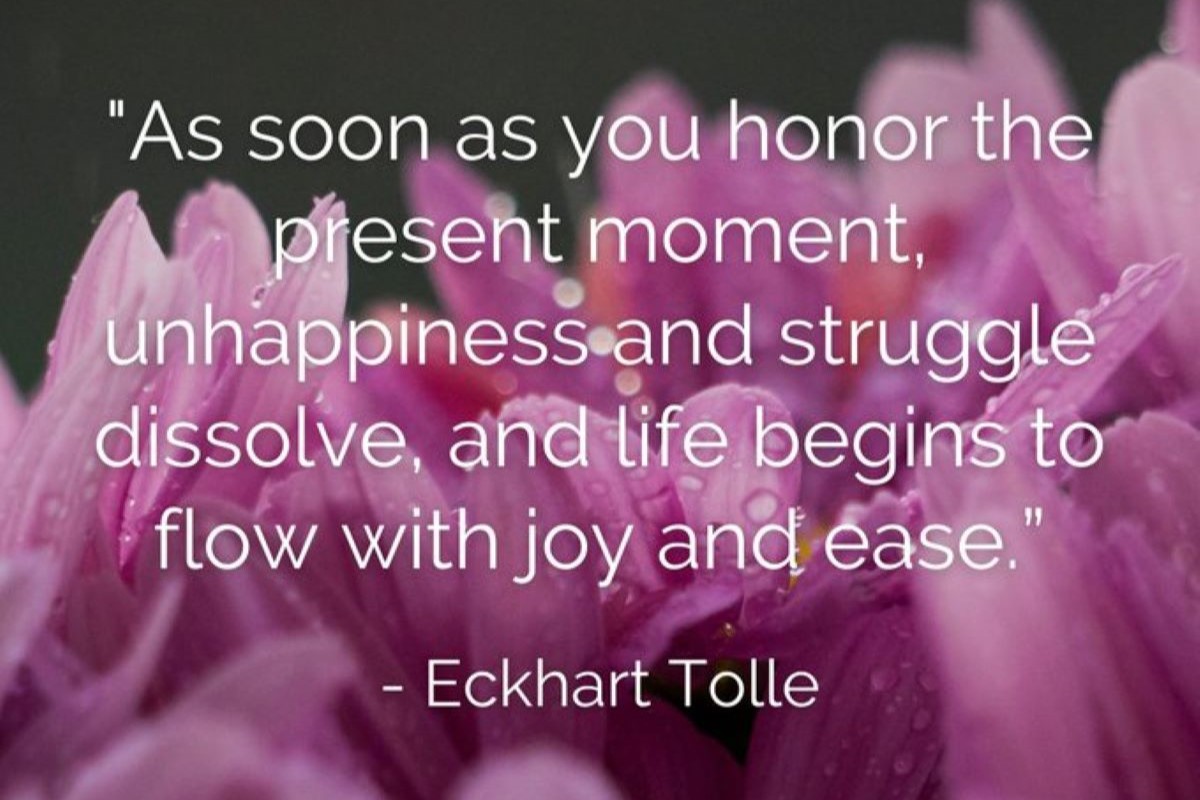
Yet, even now, the urge to log back in visits me during silent moments. This morning, as I stared at the empty space where my digital life used to live, I found myself repeating a line from Eckhart Tolle: “One of the dysfunctional patterns of the mind is the assumption that the Now needs to be filled with something all the time.”
The words felt like a direct confrontation, forcing me to listen more closely to why I still search for something to drown out the stillness.
The quote illuminates how our minds treat the present moment as something that cannot be left undisturbed for long. We turn to social media or artificial busyness the way we instinctively reach to keep a steady hum in the background.
This habit runs deep, operating below our conscious awareness until we are finally left alone with our own thoughts. When the constant chatter fades, the hush can feel like something we are desperate to interrupt.
The urge to reach for a distraction
This restlessness shows up in the smallest spaces of my day. I unlock my phone to open an app, close it, and then reopen the same app a second later, expecting a miracle in the span of a breath.
Even a brief pause in a conversation can feel like a small emergency, as though the lull must be broken before it has a chance to linger.
We treat these moments of stillness as something that needs immediate interruption; we chase tiny bursts of stimulation to keep the inner static alive and avoid hearing what has been waiting beneath it.
How we use social media to protect ourselves from our own thoughts
The relentless scrolling became a constant soundtrack, a digital white noise machine that softened the persistent questions of my own mind. Whenever the stillness began to settle in, the screen offered something louder to focus on.
It transformed a vague anxiety about my own relevance into a stream of bite-sized updates that I could swipe away. By reacting to other people’s lives, I could keep my attention tuned outward instead of listening to my own.
The fragility of that habit became clear the day my home internet connection went down for hours. Without the endless feed, a subtle panic exposed how dependent I had become on that familiar stream of distraction.
I paced the room, unable to settle. The absence of constant input felt almost accusatory, as though thoughts I had long kept at arm’s length were finally speaking clearly enough to be heard.
We spend so much energy keeping an uninterrupted soundtrack playing in our minds that we never notice what emerges when it finally falls away.
Why distractions give us a false sense of progress
I used to believe that keeping my mind occupied was a form of self-care, a way to stay sharp and informed. I filled every empty pocket of time with a podcast or an article, convincing myself that I would sit with my own feelings later.
But that later never arrived.
Each distraction created an unbroken stream of mental activity that sounded like progress and ensured there was never a moment still enough to hear anything else.
This constant urge to keep the mind occupied creates a deceptive sense of movement. We convince ourselves we are moving forward because there is always another voice to follow and another notification to answer.
Yet beneath that relentless hum, we remain exactly where we started. It is a high-functioning numbness, a habit of turning up the volume whenever life grows quiet enough to reveal something uncomfortable.
By always surrounding ourselves with another layer of mental sound, we miss the only moment that is actually asking to be heard.
Functionality vs. genuine aliveness
I know what it looks like to navigate this digital landscape with complete proficiency. It is entirely possible to become an expert curator of your own attention: organize your feeds, consume newsletters with disciplined focus, and ensure that no window of time is ever left without something playing in the background.
On paper, it looks like a life well-lived—a masterclass in modern productivity where every pause is filled with carefully selected input. Yet, beneath this polished routine, a subtle distance creeps in.
You begin to feel like a spectator in your own life, watching the days pass while surrounded by a constant stream of voices, highly functional but entirely detached.
The danger of this constant input is that it gradually filters out the very experiences that make us feel alive.
True contact with the world rarely happens in a perfectly arranged sequence of sounds and signals. It lives in the the wandering thoughts that surface while waiting for a kettle to boil or unedited memory that appears when you leave your phone in another room.
When we treat every open moment as something that must be filled with another signal, we accidentally drown out the unexpected. And then we wonder why we feel so full yet so entirely unfulfilled.
Why we need to stop trying to fill every silent moment
Returning to Eckhart Tolle’s words, I see the truth in his warning about our urge to keep the present occupied. Beneath the endless scrolling and the reflex to interrupt any pause, lies the simple reality of our lives.
We often spend our days surrounding ourselves with distractions because the absence of constant stimulation feels unfamiliar. Yet this is simply about noticing the impulse to turn up the volume, and occasionally choosing to let the moment speak for itself.
When I look back at that empty Twitter profile, I no longer see a space that needs to be filled with something else. It has become a place where my thoughts can settle without competing for attention.
Allowing the silence to remain, unfiltered and undisturbed, is where we finally begin to notice what has been present all along. It is an invitation to simply allow ourselves to exist within the experience of being here.